







When Is A Hearing Aid Used?
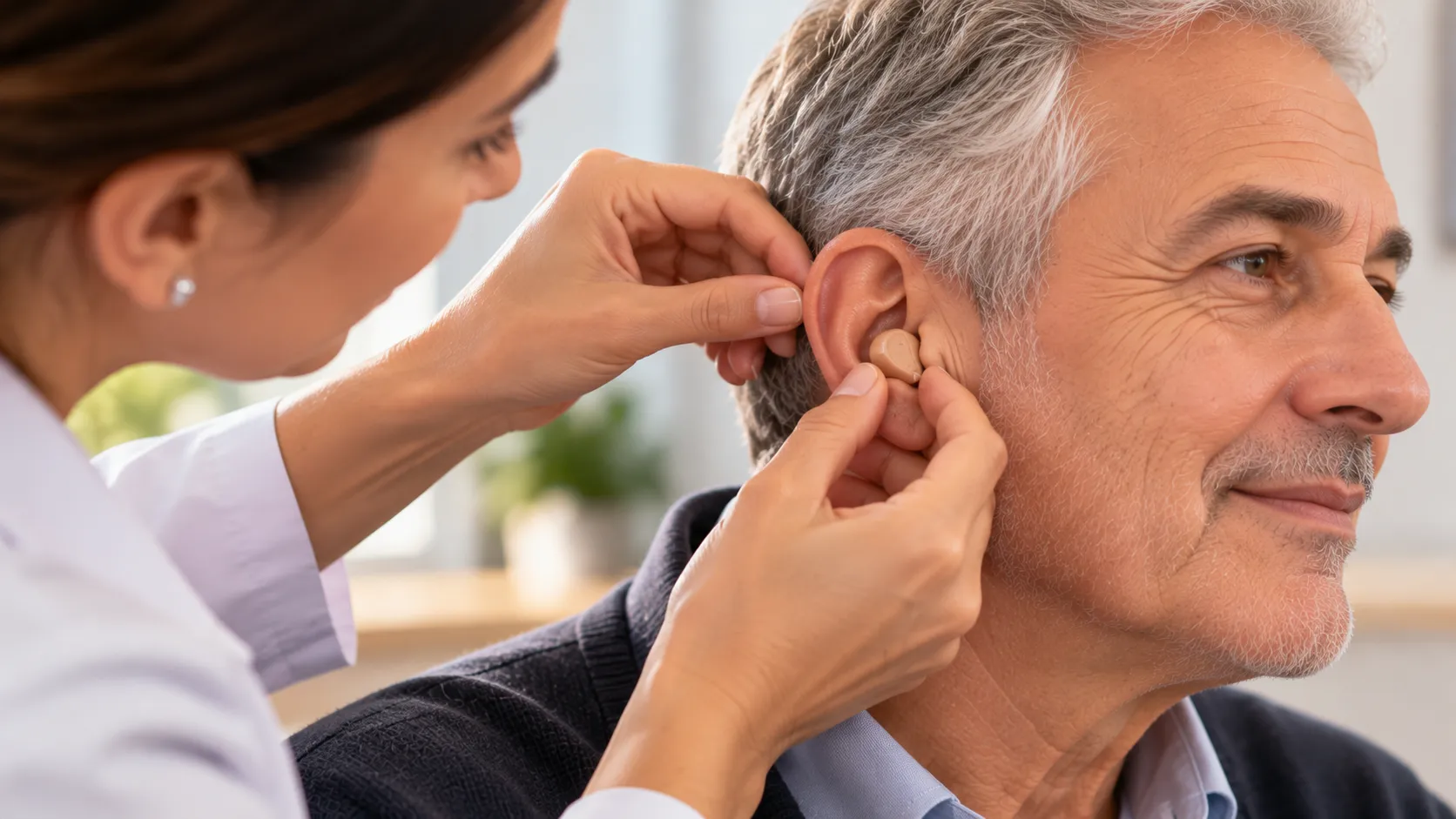
A hearing aid is used after an examination and hearing test, with the doctor's approval. First an ear, nose and throat (ENT) specialist carries out a physical examination, then audiological tests are done. For patients whose tests show a hearing problem, the ENT doctor issues a report for hearing aid use.
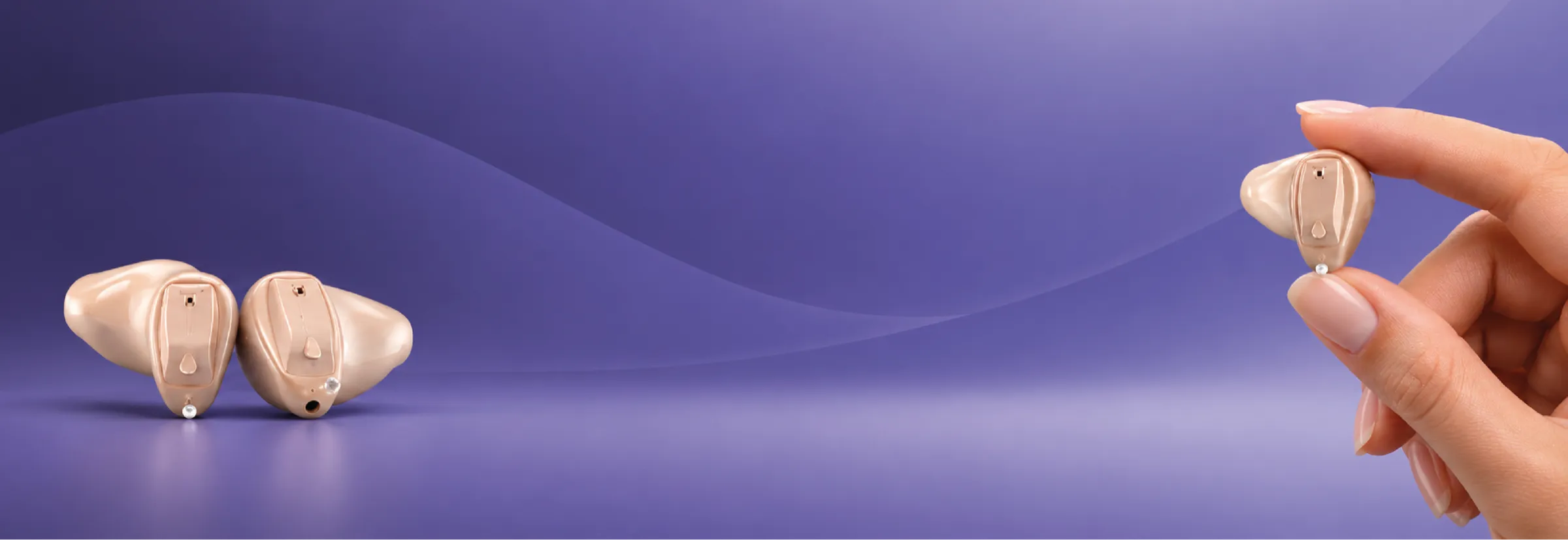
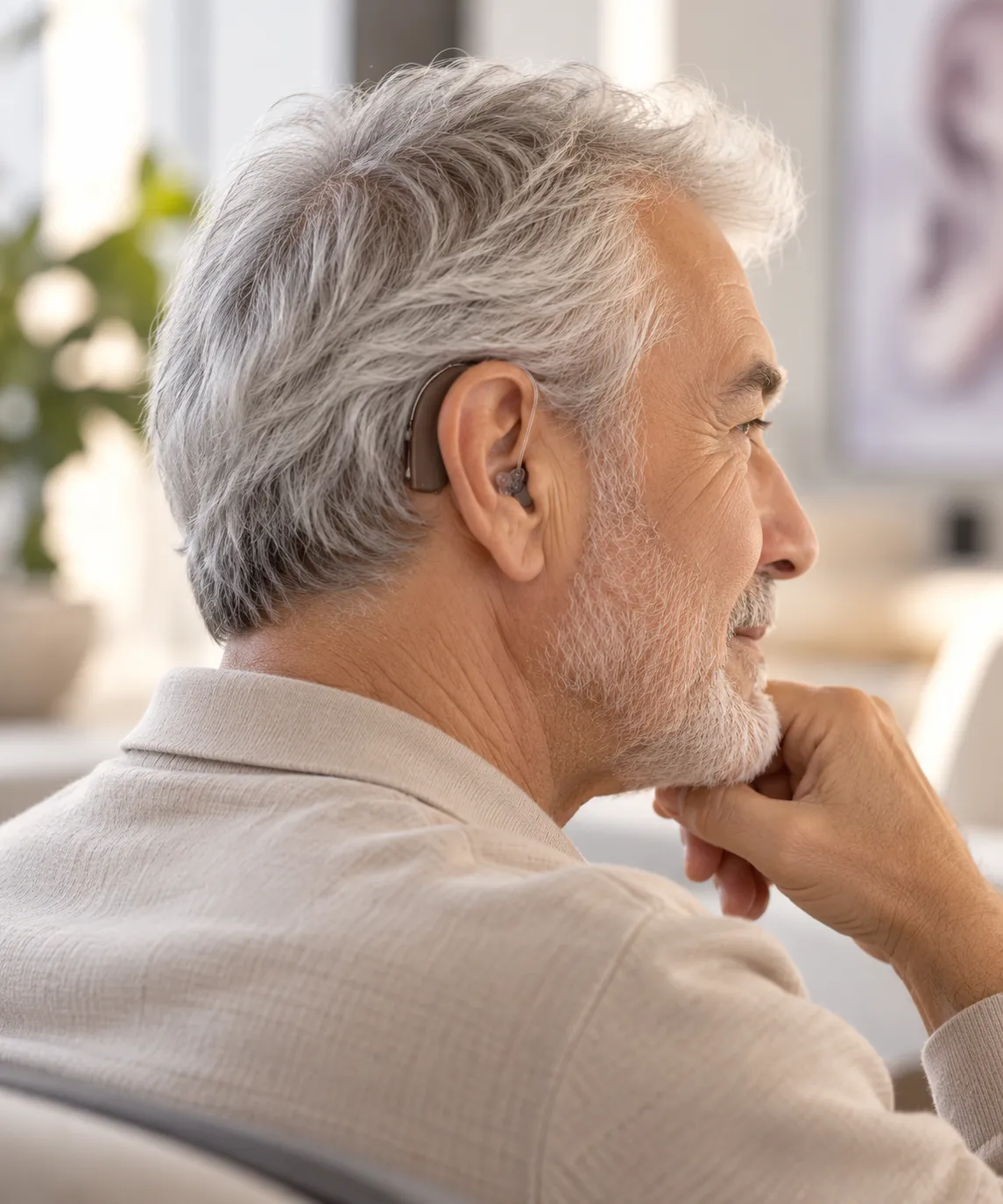
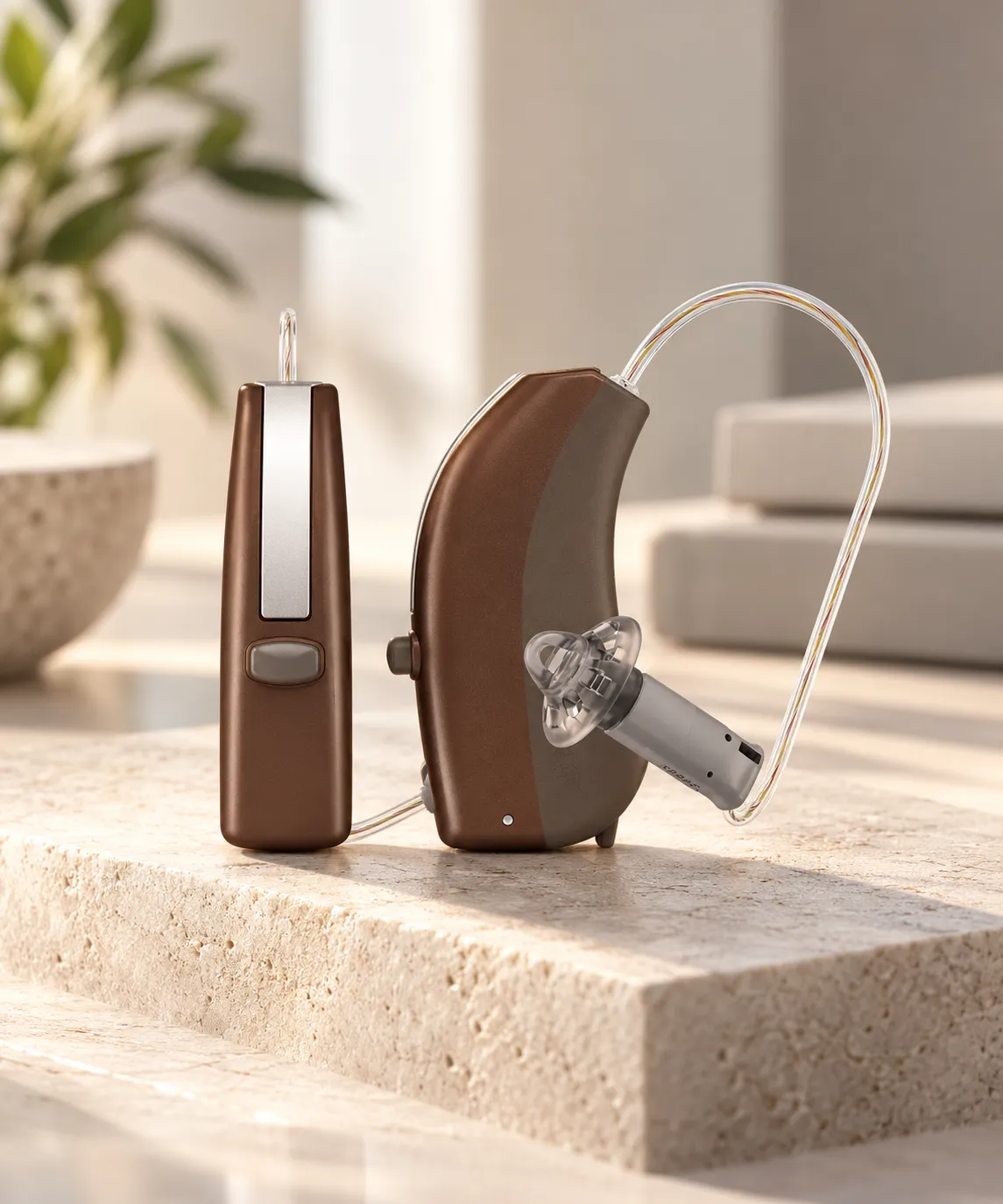
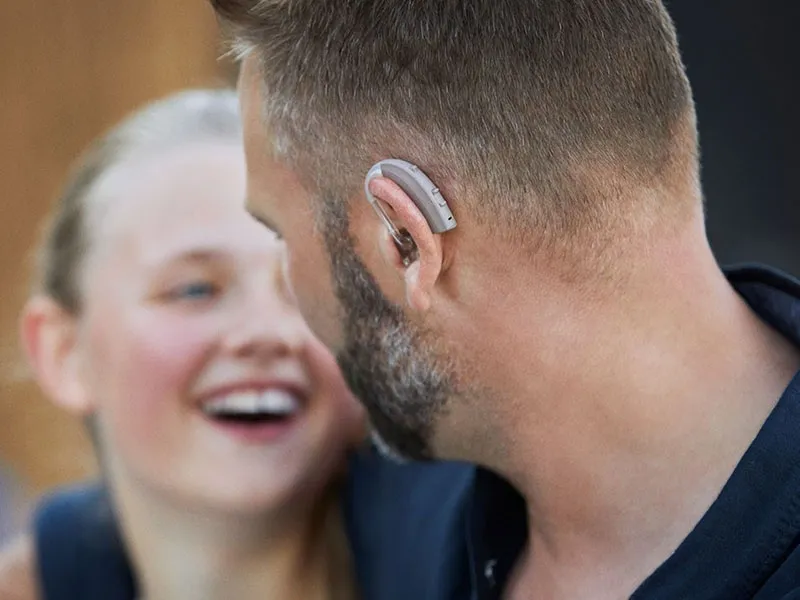
Hearing aids are electronic devices that amplify the sounds a person with hearing loss finds hard to hear, in a way that suits the structure of the ear. By appearance they are divided into in-the-ear and behind-the-ear types, and they differ in size and shape. Made up of a microphone, an amplifier and a speaker, the device amplifies sound and also helps tell sounds apart in noisy places.
A hearing aid is used when there is no chance of the hearing loss improving with medication or surgery. It does not help when hearing is completely lost. It is generally used for hearing loss that comes from the inner ear and for some types that come from the middle ear.
Hearing loss also changes social life. Over time the person withdraws from the people around them and gets used to a quiet life. To prevent psychological problems, you should see an ENT doctor as soon as you notice hearing loss.
How do hearing aids work?
Although hearing aids look different, they all work on the same principle. They are made in two forms, analogue and digital, and fitted according to the user's preference. Analogue devices amplify outside sounds as they are. Digital devices control and filter sounds for more comfortable hearing, adjust them to the most suitable level and then send them to the ear.
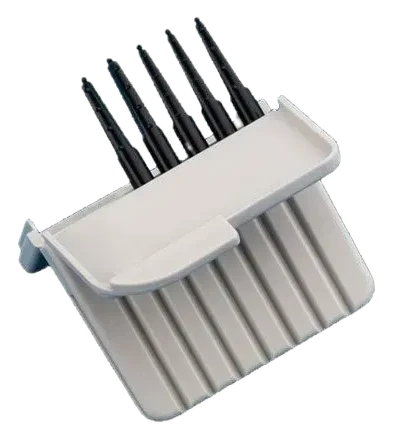
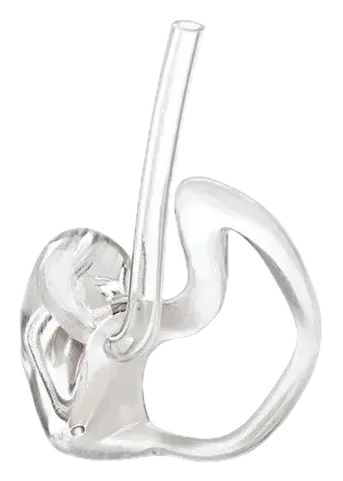
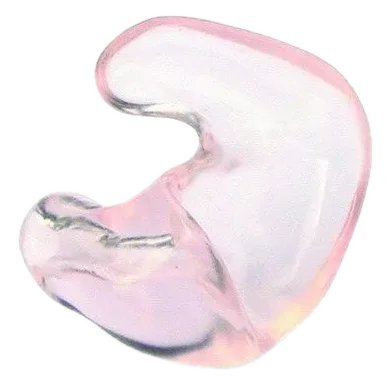
As computer technology develops, personalised devices can be made, and it becomes easier to tell apart tones of sound and speech. The microphone picks up outside sounds and sends them to the processor (amplifier). The sound processed here is amplified and sent to the ear through the speaker. Ear moulds, tubing and hooks, tubes and domes are used to carry sound into the ear. The devices run on batteries or on a rechargeable battery.
What to consider when getting a hearing aid
A person who has been recommended a hearing aid should first know this: hearing loss and the ability to tell sounds apart are different things. The ear hearing a sound means little on its own; what matters is the brain perceiving sounds. So whatever the degree of hearing loss, speech discrimination scores need to be preserved. To do this, you should get a device that suits you and use it regularly. Do not rush when choosing a device, and try it before you decide.
The audiometrists and audiologists at the hearing centre will explain how to use the device, how to put it in and take it out, and how to change the battery. You should use the device according to this information and keep the follow-up appointments the centre gives you. The quality of the hearing centre's service matters as much as the quality of the device.
Related pages: Free hearing test, Hearing aids.
- Publisher
- Pendik Ses İşitme Cihazları
- Published
- 4 October 2022
- Updated
- 12 November 2026
This information is for general guidance only; please consult a specialist for diagnosis and treatment.