









Hearing Aid Ear Moulds
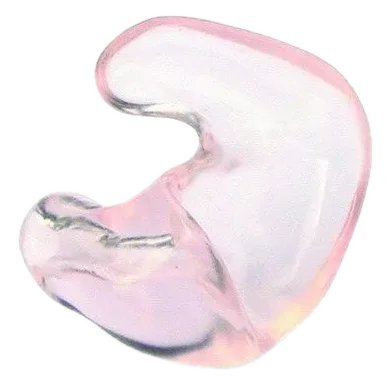
Hearing aid ear moulds are made individually from an ear impression and carry sound from the device to the eardrum. Hard, soft, combined and Biopar materials are available.
We explain prices and SGK support by phone
+90 507 856 30 52WhatsApp
Leave your name and number and our specialist will call you during opening hours.
Category: Batteries & Accessories
About This Product
- Made individually from an ear impression
- Hard, soft, hard + soft and Biopar options
- Helps prevent whistling (feedback)
- Replaced every 6 to 12 months in children, every 1 to 2 years in adults
- Should be cleaned at least once a week
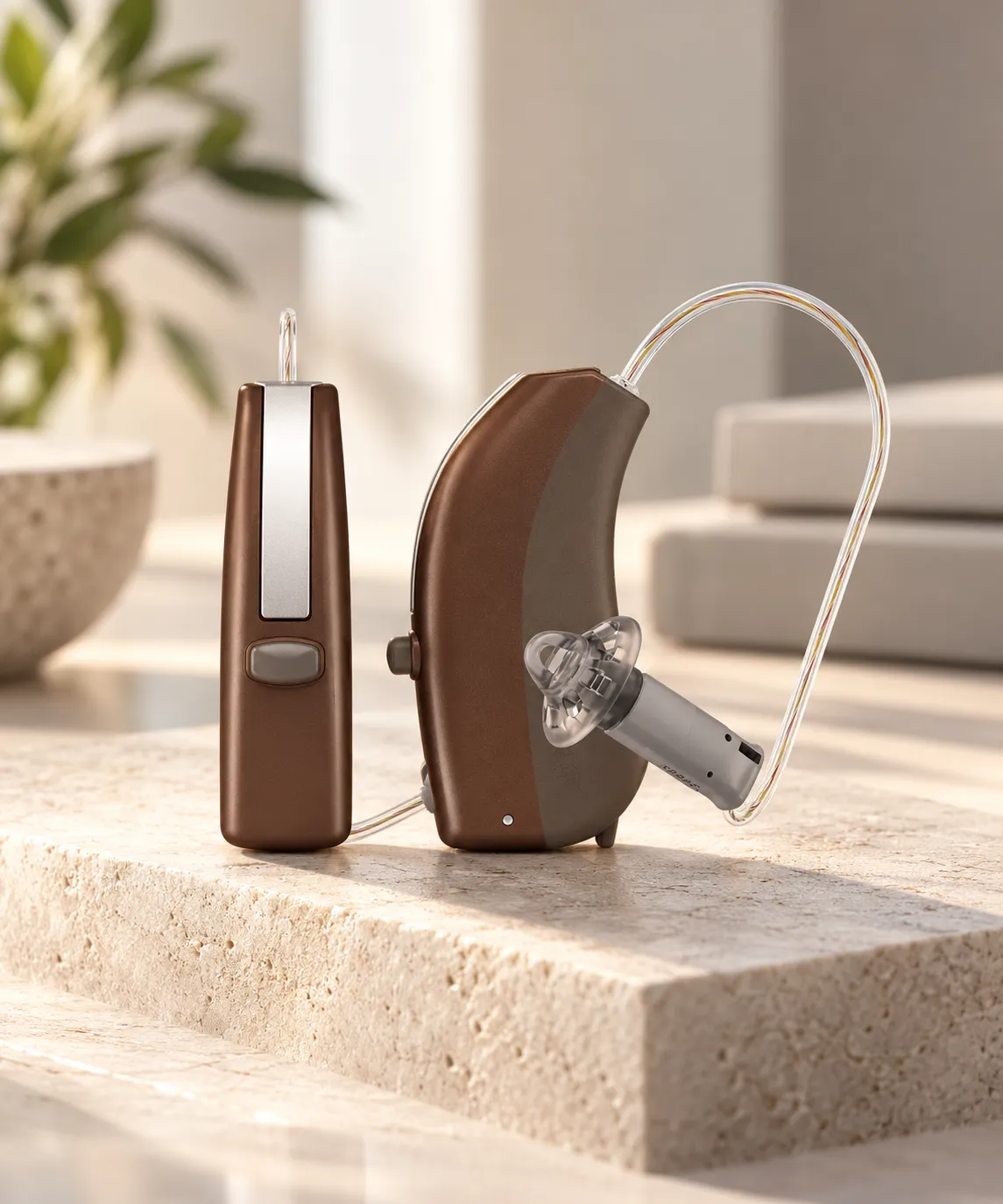
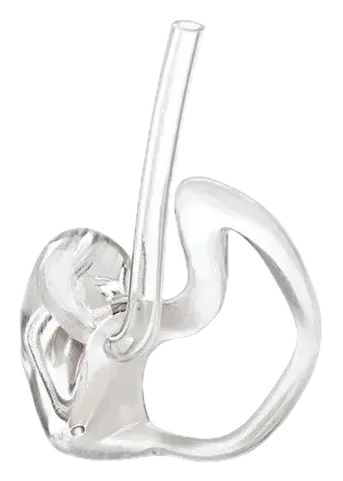
For the sound chosen and set for your hearing loss to reach the eardrum as intended, you need a custom ear mould made correctly in acoustic terms. On behind-the-ear hearing aids, the ear mould is connected to the device with an earhook and tube and sits in the ear canal. It is made individually from an impression taken of your ear.
Material options
The mould can be made in different materials, shapes and colours depending on the hearing aid model, the degree and type of hearing loss, the user's age and similar factors:
- Hard
- Soft
- Soft + hard
- Biopar (soft)
What the mould does
- Carries sound to the eardrum
- Prevents unwanted whistling (feedback)
- Stops the device slipping out of the ear
The mould's most important function is to carry the sound the device produces electronically for your hearing loss acoustically into the ear. The path of the sound after the earhook is shaped by adjustments made in the mould: the shape of the mould, the length and width of the canal bore, the vent and the thickness of the tube change the character of the sound reaching the ear. For this reason moulds are made in different shapes depending on the hearing loss.
When is it replaced?
As the ear grows the mould no longer fits well, so in children it is replaced every 6 months to 1 year, and in adults under normal conditions every 1-2 years at most. Changes such as weight gain or loss may also require a new mould. The tube should be replaced when it turns yellow and hard.
Fitting and cleaning
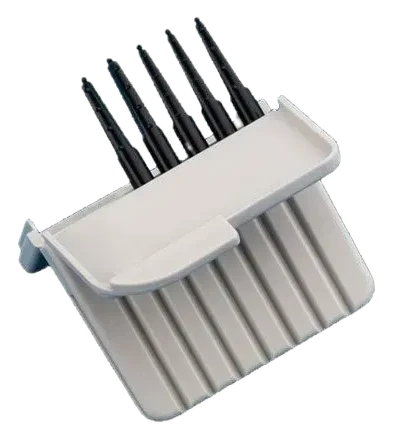
When putting the mould in, guide the canal part into the ear canal, then turn it gently to seat it in the outer ear. For hygiene and clear hearing, always keep the mould clean; clean it at least once a week so that earwax does not block the sound path. You can get cleaning supplies from our centre.
Custom moulds as earplugs
Custom-made earplugs or noise-reducing moulds are also made for people who work in very noisy places, swimmers, and people with a perforated eardrum or grommets in the ear. For details see our earplugs page.
For ear impressions and mould replacement, you can visit our Pendik centre. Care tips are on our hearing aid maintenance page.