








Types of Hearing Aids

Contents
How can hearing aids be classified?
Hearing aids are classified in three ways:
- Type
- Technology
- Fitting
Hearing aids by type
They are divided into two groups: devices that work by air conduction and devices that work by bone conduction.
Air conduction hearing aids
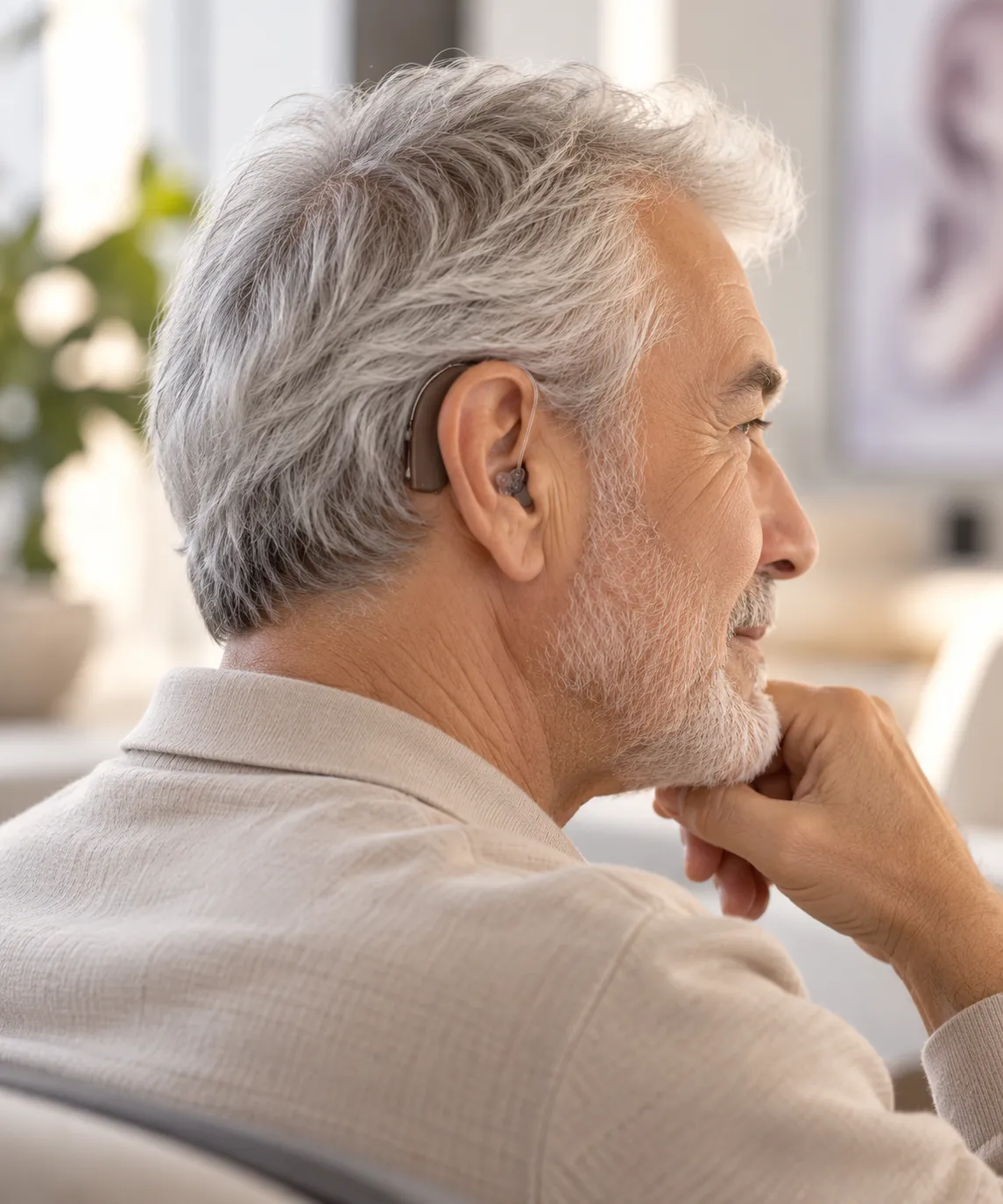
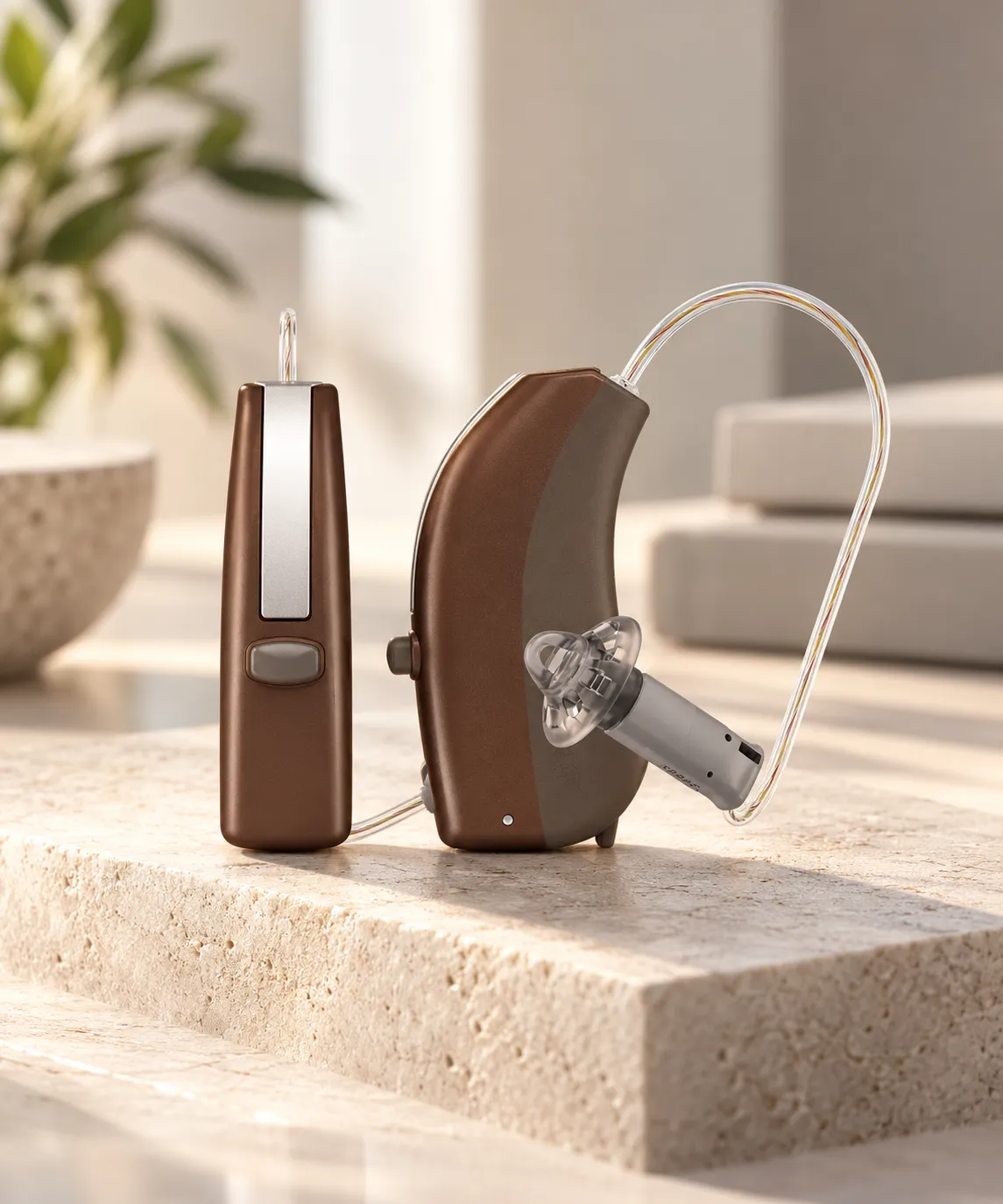
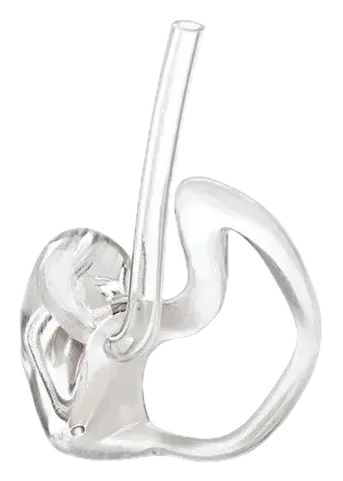
- Behind-the-ear (BTE): Devices that sit fully behind the ear, with only the tube that carries the sound and the ear mould inside the ear.
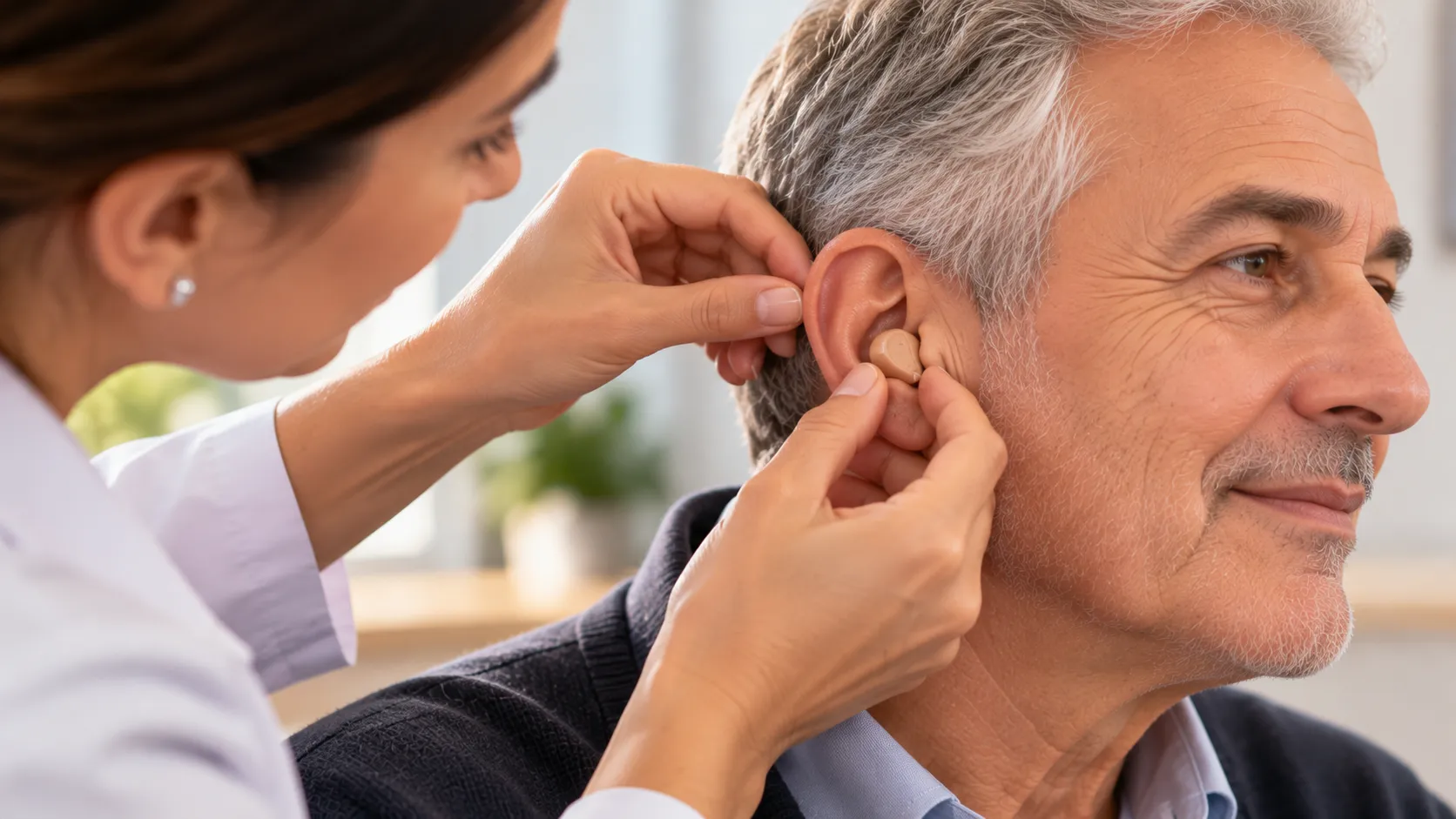
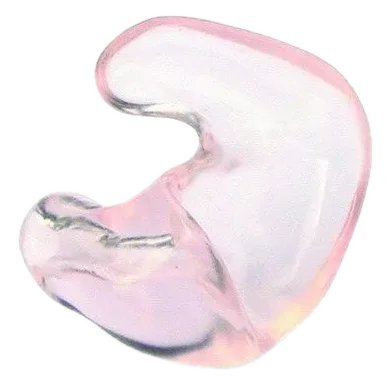
- Concha: Devices that fill the bowl of the outer ear. They are made from a custom ear mould impression.
- In-the-ear (ITE): Slightly smaller and more discreet than the concha type. They are made from a custom ear mould impression. Less of the device is visible from outside.
- Completely-in-canal (CIC): Devices that sit inside the ear canal. They are made from a custom impression. They are almost invisible from outside; only a thin removal cord is visible.
- Body-worn (pocket) type: Larger devices that can be carried in a pocket. They carry sound to the ear through a cable. Because the microphone is in the pocket, sound quality is lower.
- Invisible-in-canal (IIC): The device sits fully inside the ear canal and cannot be seen from outside. Most IIC devices are made from a custom impression. Extended-wear models, placed deep in the ear canal by a specialist, do not need an impression and can stay in the ear at night without being removed.
- Open-fit devices: These are behind-the-ear devices. The ear piece of the device is open. No ear mould impression is needed. Because the ear canal is not fully closed, patients with chronic otitis can use them comfortably.
Bone conduction hearing aids
- Spectacle type: Devices mounted on a spectacle frame that carry sound by vibration through the bone behind the ear (mastoid).
- Body-worn type with a headband: For patients who cannot wear glasses or who have no outer ear, a headband is fitted and sound is delivered as vibration through the bone behind the ear (mastoid).
- Sound bite: Sound signals are carried to the inner ear by vibration through the teeth, using a removable device worn on the teeth.
Hearing aids by technology
- Analogue signal processors: The simplest devices. The microphone turns the acoustic signal into electrical energy, which is then amplified, sent to the speaker and turned back into an acoustic signal.
- Digitally controlled analogue signal processors: A classic hearing aid with several gain systems added, controlled by a digital circuit.
- Digital signal processors: Systems that encode all acoustic data by converting it into digital information.
Hearing aids by fitting
These are the features of the devices that can meet people's needs according to their hearing loss and socio-economic circumstances.
Software
- Target gain curves (NAL-NL2, DSLi/o)
- Channels and bands (threshold, ratio and speed)
- Channel crossover frequency shifting and dual limiting
- Noise reduction
- Speech discrimination
- Frequency shifting, frequency compression or frequency transposition
- Dual microphone management
Hardware
- Channels and bands (AGC)
- AGCi + PC, AGCo, AVC
- Microphone (dual microphone)
- Accessories (FM systems, etc.)
Related pages: Behind-the-ear hearing aids, In-the-ear hearing aids, Rechargeable hearing aids.
- Publisher
- Pendik Ses İşitme Cihazları
- Published
- 4 October 2022
- Updated
- 12 November 2026
This information is for general guidance only; please consult a specialist for diagnosis and treatment.