








Tinnitus Device Trial
What is tinnitus?
Tinnitus is a ringing, humming, buzzing or hissing sound heard in the ear or inside the head when there is no outside sound source. It is not a disease but a symptom that can have different causes. Triggers include hearing loss, exposure to loud noise, earwax, some medicines, stress and lack of sleep.
A doctor's assessment first
If you have tinnitus, we recommend seeing an ear, nose and throat (ENT) doctor first. Tinnitus in one ear only, tinnitus that starts suddenly, tinnitus that beats in time with your heart or tinnitus with dizziness should be assessed by a doctor.
How hearing aids and sound therapy can help
Many people with tinnitus also have hearing loss. A hearing aid makes surrounding sounds audible again, which can help the tinnitus become less noticeable. The sound therapy (sound generator) feature in some devices aims to soften the perception of tinnitus with a gentle background sound. Results vary from person to person; the aim is not to remove the tinnitus but to live with it more comfortably.
What the trial includes
- A hearing test and a talk about the characteristics of your tinnitus
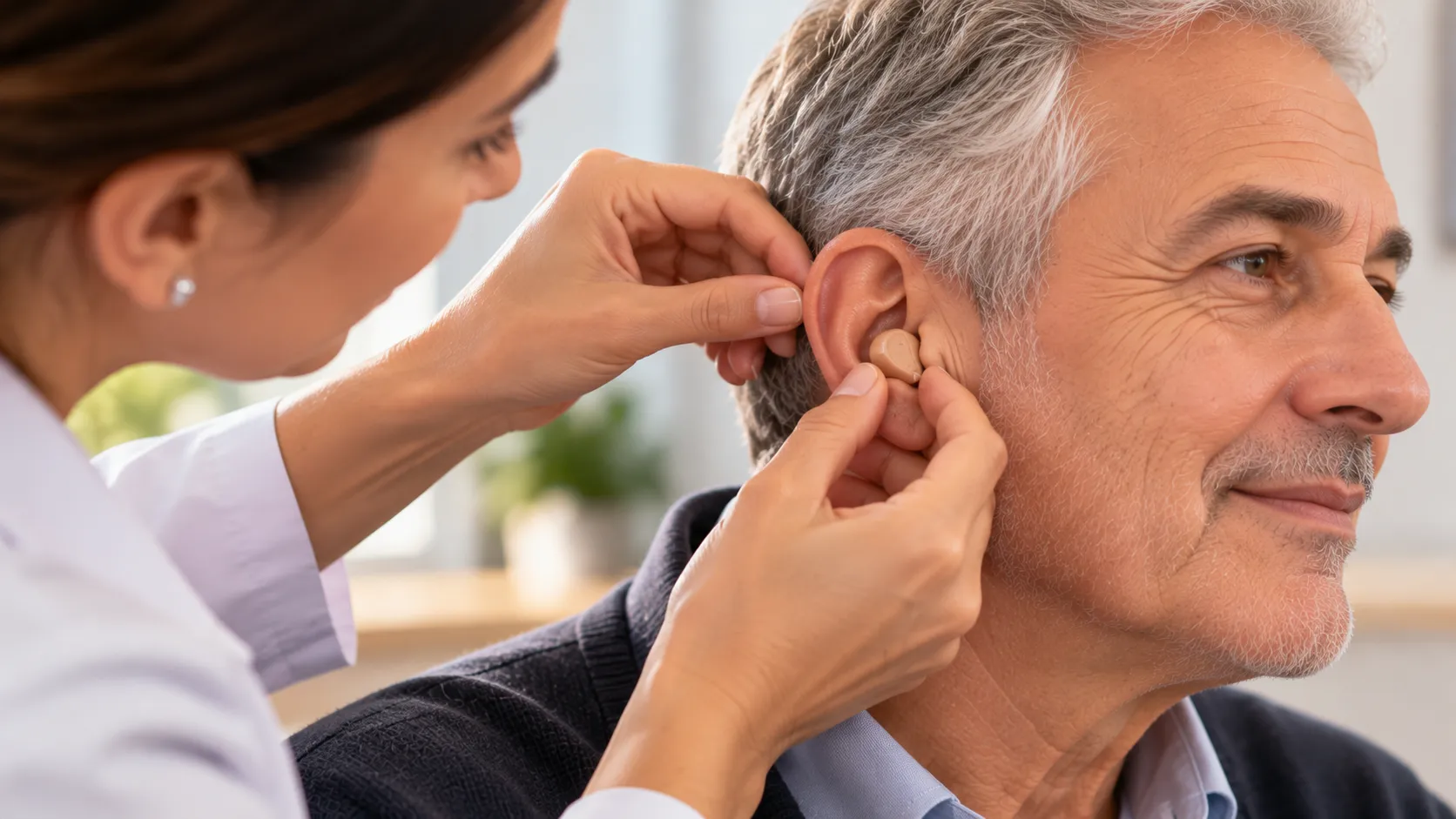
- Setting up a device with a sound therapy feature
- Trying the device in daily life and reviewing your impressions
Tips for daily life
- Avoid completely silent rooms; a soft background sound (a fan, nature sounds) can help.
- Protect yourself from loud noise.
- Watch your caffeine intake and sleep routine, and try ways to reduce stress.
There is currently no definitive cure for tinnitus. Some people have it together with hearing loss, others on its own. Hearing aids with a tinnitus feature can help make the ringing less noticeable; you can try them at our centre.
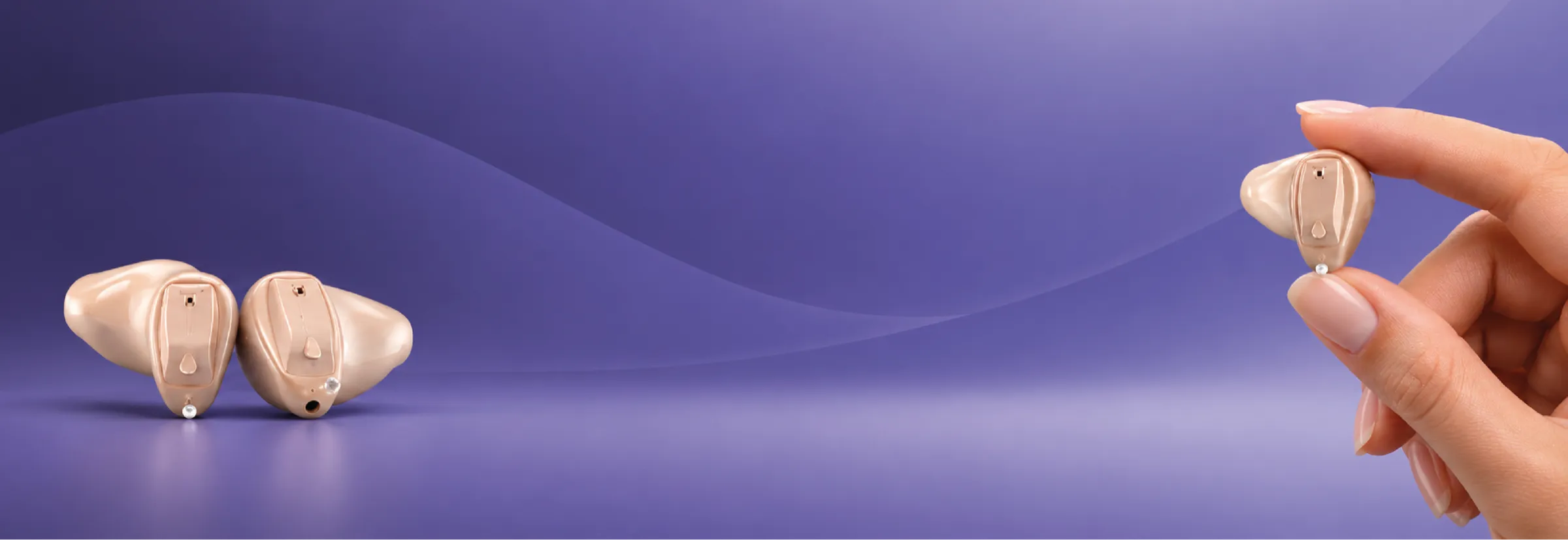
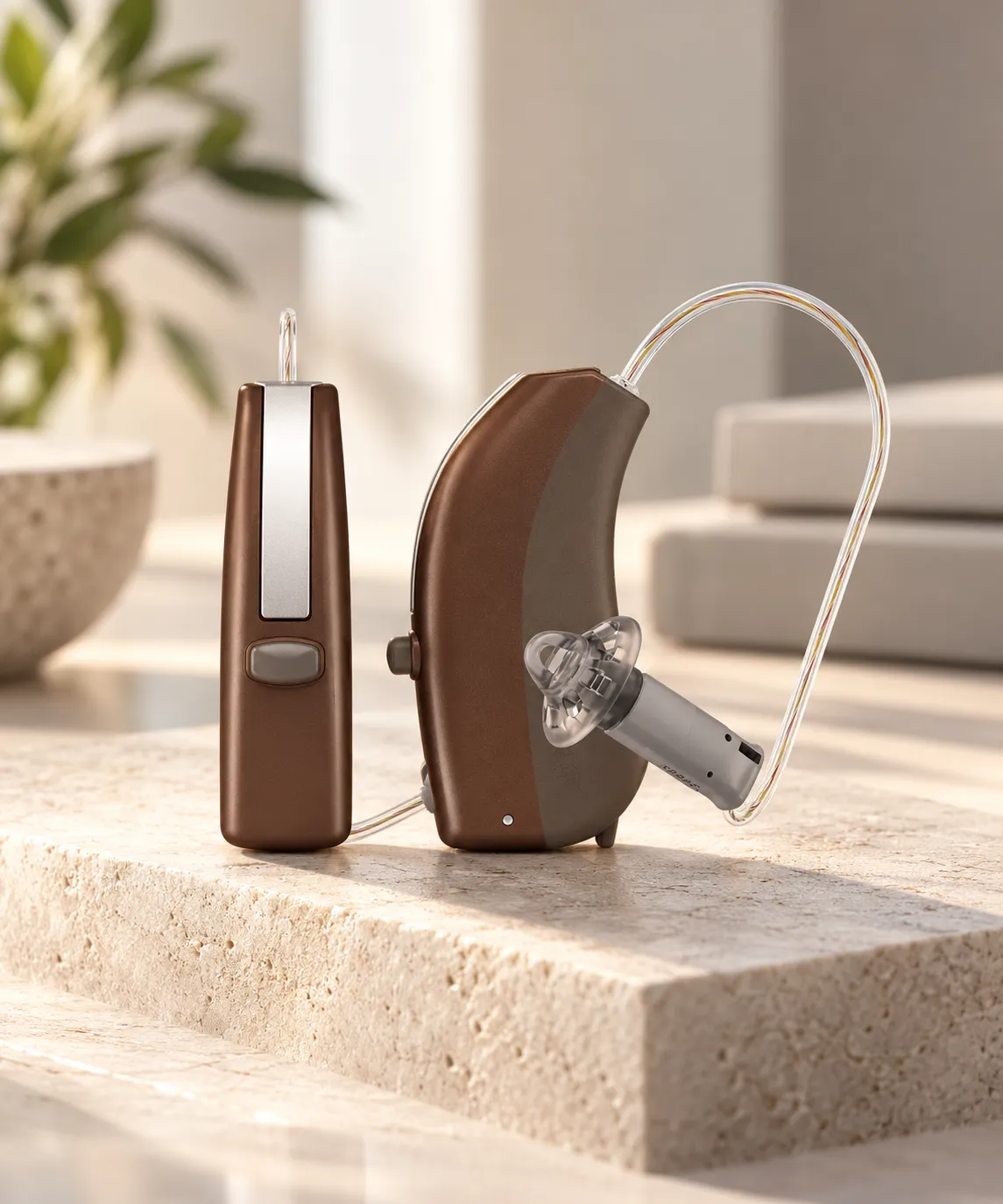
At our centre you can try hearing aids from Widex and Rexton with tinnitus features. The Zen program in Widex devices aims to draw attention away from the tinnitus with soft, non-repeating tones; Rexton devices also have an adjustable sound generator. These devices can be set to individual needs, both for people with tinnitus and hearing loss and for people with tinnitus only. We decide together which option suits you after a hearing test.
How It Works
Doctor's Assessment
An ENT doctor is seen first to find the cause of the tinnitus.
Hearing Test
Your hearing and the characteristics of your tinnitus are assessed.
Device Setup
A device with a sound therapy feature is adjusted for you.
Trial and Follow-Up
You try the device in daily life and we review your impressions together.
Frequently Asked Questions
Does tinnitus go away completely?
It depends on the cause. Some tinnitus fades on its own; for persistent tinnitus, the aim is to reduce its effect on daily life. Consult your doctor for a full assessment.
Can a device help if I don't have hearing loss?
For people without hearing loss, devices with sound therapy features or other methods can be considered. After the test, we explain the options that suit you.
How long is a tinnitus device trial?
It is important to try the device in your daily life. We plan the trial period and follow-up appointments together after the test.
Other Services

Free Hearing Test
At our centre in Pendik, our hearing care specialists carry out a free hearing test of about 30 minutes and explain the result clearly on the same day.
View
Home Visits
For clients who find it hard to come to the centre, older adults or people with limited mobility, we carry out hearing tests, hearing aid trials, fitting and maintenance at home in Pendik and nearby districts.
View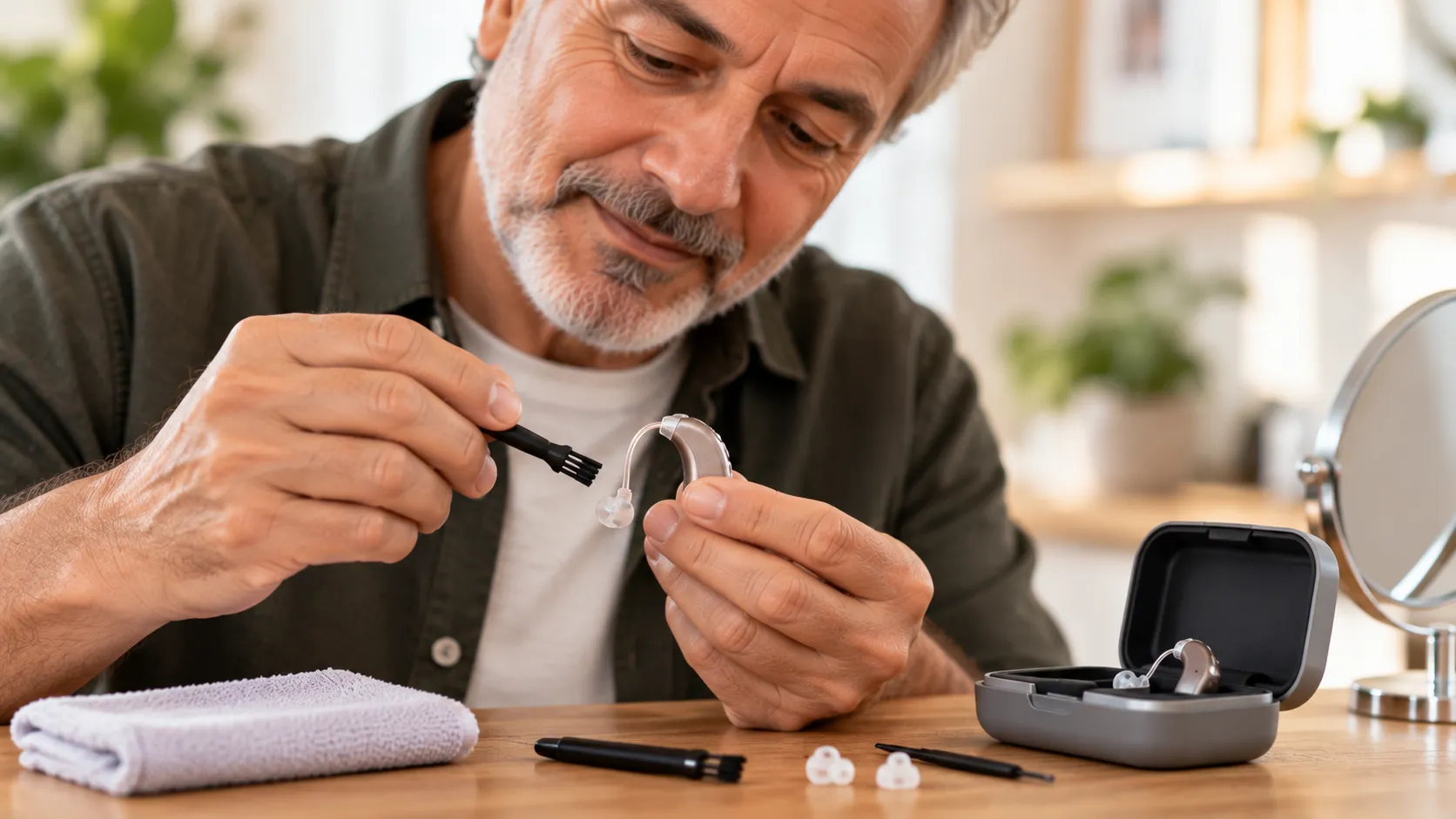
Hearing Aid Maintenance
Professional maintenance of your hearing aid every 3-6 months removes moisture, dirt and earwax build-up, which protects sound quality and extends the life of the device.
View