









What Is Hearing Loss?
Contents
In hearing, sound waves around us are collected by the outer ear (pinna) and then passed through the outer ear canal and the middle ear to the cochlea. After the necessary conversions in the cochlea, they are carried as electrical signals to the hearing nerve, then to the brainstem and the cortical centres. Hearing takes place after synthesis and interpretation there.
Hearing loss is reduced sensitivity to sounds and difficulty perceiving them, caused by pathologies at any stage of the hearing pathways described above. Hearing loss impairs the person's speech and understanding skills, makes it harder to communicate with the people around them and leads to difficulties in social life.
Hearing loss can be congenital or acquired. It can be classified as conductive, sensorineural, mixed or central. Conductive hearing loss results from a pathology in the outer ear, outer ear canal, eardrum or middle ear structures. Conductive loss prevents sound from being amplified by the outer and middle ear structures and passed to the cochlea. Sensorineural hearing loss results from a disorder of the cochlea, the hearing nerve or the central hearing pathways, and can arise from many different causes. When conductive and sensorineural hearing loss occur together, it is called mixed hearing loss. Central hearing loss means there is a pathological condition in the brain that disrupts the transmission of auditory information.
Causes of Hearing Loss
Causes of hearing loss should be classified according to the part of the hearing system where the pathology occurs.
Causes related to the outer ear
- A foreign body in the outer ear canal
- Impacted earwax
- Absence of the pinna or a congenital malformation
- Congenital closure of the outer ear canal
- Outer ear canal infections
- Outer ear canal tumours
Causes Related to the Middle Ear
- Fluid build-up in the middle ear cavity
- A perforated eardrum
- Cholesteatoma
- Middle ear infections
- Hardening and calcification of the middle ear bones (ossicles)
- Trauma (skull fractures, damage to the ossicles, tearing of the eardrum, etc.)
- Middle ear tumours
- Metabolic and systemic diseases
- Inherited diseases
Causes related to the inner ear and hearing nerve
- Ear and head trauma
- Inner ear infections
- Infections (mumps, rubella, etc.)
- Long-term exposure to loud noise
- Substances and medicines harmful to the inner ear (ototoxic), such as chemotherapy drugs
- Age-related hearing loss (presbycusis)
- Ménière's disease (hearing loss together with dizziness and a humming sound)
- Hearing nerve tumours
- Systemic diseases (diabetes, thyroid diseases, etc.)
- Certain illnesses of the mother during pregnancy
- Certain medicines used during pregnancy
- Problems during birth (premature birth, lack of oxygen during birth, etc.)
- Hyperbilirubinaemia in the newborn
- Genetic factors
What Are the Symptoms of Hearing Loss?
- Having difficulty following speech when several people talk at once
- Having difficulty understanding the other person during a conversation
- When you cannot understand the words being said, or even follow the topic, going along with what is said or pretending to understand
- Starting to be told by people around you "Don't talk so loudly!"
- Starting to think that other people are whispering or not speaking clearly
- Thinking that the people in your home speak far too quietly
- Having difficulty understanding what is said on the phone
- Not understanding the sentences of the person on the other end of the phone and constantly asking them to repeat
- Misunderstanding what is said and answering inappropriately
- Sometimes not hearing, or barely hearing, the doorbell or the phone ringing
- Starting to be told by people around you that the television is too loud
- Recently starting to hear ringing in the ears (tinnitus) and similar sounds
If you have several or most of the symptoms above, you should see a hearing specialist or the nearest clinic and get the professional help you need.
How Is Hearing Loss Diagnosed?
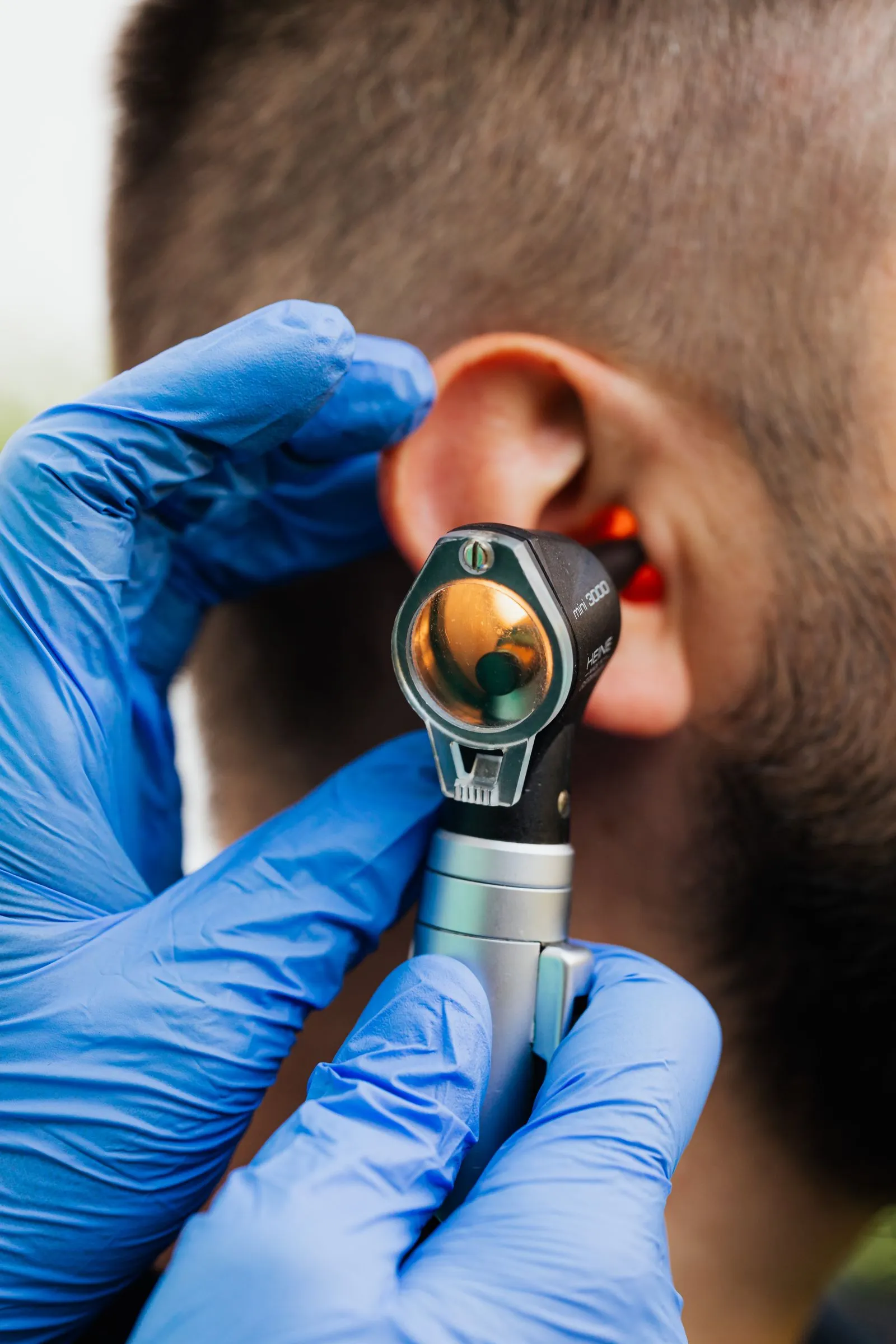
The first step in finding the cause of hearing loss is taking a detailed patient history and examining the ear. During this examination, a pathology of the outer ear, ear canal or eardrum may be seen. The appearance of the eardrum also gives information about the condition of the middle ear, especially in middle ear pathologies. When the ear examination is normal, the cause of hearing loss is thought more likely to be related to the inner ear and/or the nerve pathways, but several tests and measurements are carried out to determine this.
A tympanometry test is done to measure middle ear pressure and obtain information about the middle ear and its structures. This test gives information about disorders and pathologies of the outer ear canal, eardrum, middle ear and middle ear bones (ossicles), and a stapedial reflex test is done to show calcification of the ossicles and to detect pathologies in the central pathways. Apart from these, the most important tests are the hearing measurements called audiometry. These measurements show us the type of hearing loss (conductive, sensorineural or mixed), its degree and which frequencies are affected. The results give very valuable information about the degree and type of hearing loss. Based on this information, it is decided which other tests should be done.
What Are the Types of Hearing Loss?
Hearing loss can be classified as shown below.
Conductive Hearing Loss
This is hearing loss caused when one or more structures in the outer or middle ear stop working properly, blocking the transmission of sounds from outside to the inner ear. In audiological assessment, air conduction hearing thresholds are reduced and bone conduction thresholds are normal.
An atretic pinna, impacted earwax, stenosis of the outer ear canal, foreign bodies, otitis externa, cancers, eardrum pathologies, middle ear pathologies, Eustachian tube dysfunction and similar pathologies can be listed as causes of conductive hearing loss. Serous otitis media is usually seen in childhood and is the most common cause of conductive hearing loss in this age group.
Mixed Hearing Loss
This is hearing loss in which conductive and sensorineural pathologies are present in the same ear at the same time. Both air conduction and bone conduction hearing thresholds are reduced. The reduction in air conduction thresholds is greater than the reduction in bone conduction thresholds.
Hearing loss resulting from chronic otitis media and otosclerosis can be given as examples of mixed hearing loss.
Sensorineural Hearing Loss
This is hearing loss caused by disorders in the inner ear (sensory) or the hearing nerve (neural). 90% of sensorineural hearing loss originates in the cochlea. It can be acquired or congenital. Sensorineural hearing loss shows itself through three important effects: reduced cochlear sensitivity, reduced frequency resolution and a narrowed dynamic range. In cochlear hearing loss, the problem is related to structures within the cochlea. In most pathologies that start in the cochlea, neural involvement develops.
In audiological assessment, air and bone conduction thresholds overlap, but speech discrimination scores fall depending on the degree of hearing loss, the type of audiogram, the patient's age, the duration of the hearing loss and similar factors.
Ménière's disease, labyrinthitis, perilymph fistulas, cochlear otosclerosis, ototoxicity, sudden hearing loss, acoustic trauma, tumours, presbycusis, viral infections and similar pathologies are among the most common causes of sensorineural hearing loss.
Functional Hearing Loss
This is hearing loss with no organic origin, arising from social reasons or the wish to gain some benefit. Functional hearing loss should be suspected when hearing behaviour does not match audiological test results, or when test results contradict each other. In children it usually appears as a way of getting their parents' attention. It is more common in girls than in boys. It may be seen in people claiming compensation for any reason, or in soldiers. It may be linked to an underlying psychological illness and needs to be assessed and treated quickly. Functional hearing loss can be detected with assessments using objective test batteries (impedance testing, otoacoustic emissions, auditory brainstem response tests, etc.).
Related pages: Free hearing test, Hearing aids.
- Publisher
- Pendik Ses İşitme Cihazları
- Published
- 4 October 2022
- Updated
- 12 November 2026
This information is for general guidance only; please consult a specialist for diagnosis and treatment.