








What Is A Hearing Aid?

Contents
What is a hearing aid?
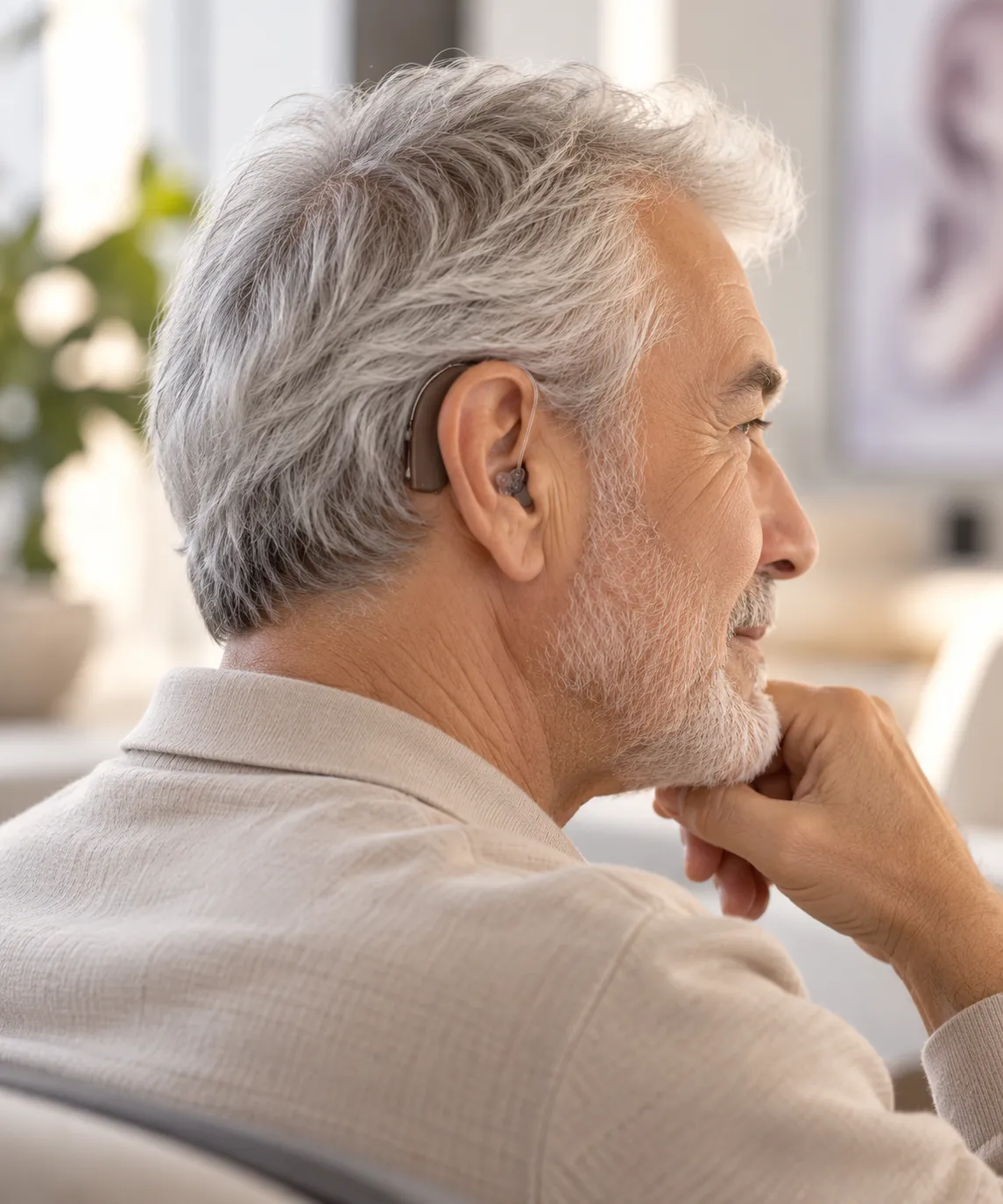
Whatever their type, design and technical features, hearing aids are small wearable electronic devices that help you hear sounds better and understand speech more clearly.
How do hearing aids work?
Although results vary from person to person, almost all hearing aids work in a similar way.
First, a tiny microphone picks up sound and converts it into a digital signal.
Then this signal is processed and amplified according to your hearing loss.
Finally, a small speaker (receiver) delivers the processed sound to your ear through the earpiece that suits your device.
The audiologist who tests your hearing will discuss with you which type of device suits you, based on your hearing loss and lifestyle. If you have hearing loss in both ears, as most people do, you need two devices. One device is almost always not enough.
What are digital hearing aids?
All new hearing aids are digital. This means the device is programmed for your hearing loss and lifestyle.
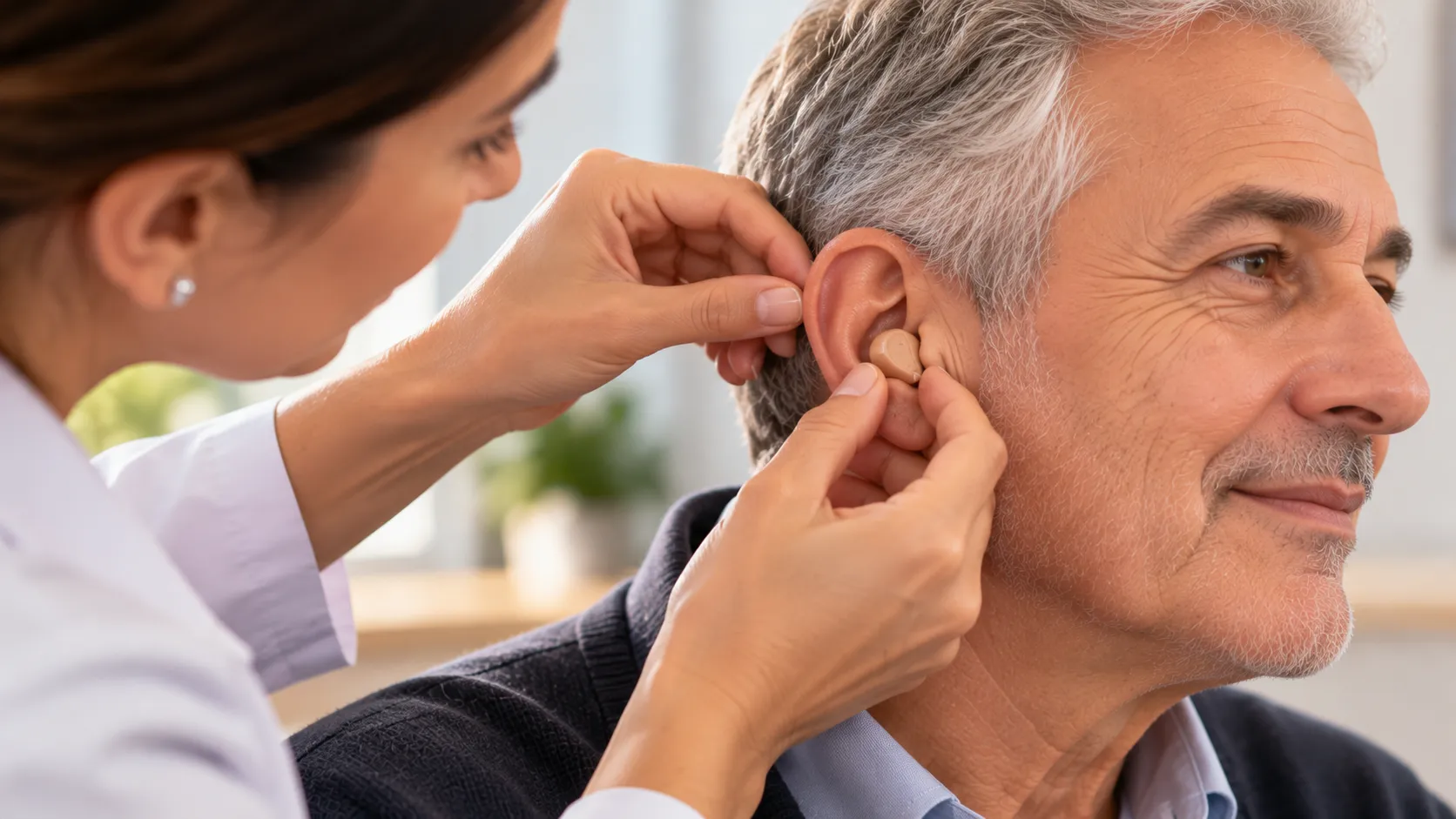
Getting used to a new device takes time. After using it for a while, you may need to ask your hearing specialist for fine-tuning once or several times. Everyone's needs are different, and a device helps more when it is adjusted to the person. So it is normal for settings to be changed after fitting.
Digital devices have separate settings for different situations, such as a group of people, a one-to-one conversation, a quiet room or a noisy place. When you get your device, make sure your hearing specialist explains all the options to you. Your device is always programmed for your needs.
What types of hearing aids are there?
There are many types of hearing aids. The right type for you depends partly on your hearing loss, but other factors matter too. Some people are happy to wear a visible device, or even choose one as a style statement. Others want a discreet model that few people will notice. The choice is personal. Still, better hearing should come first.
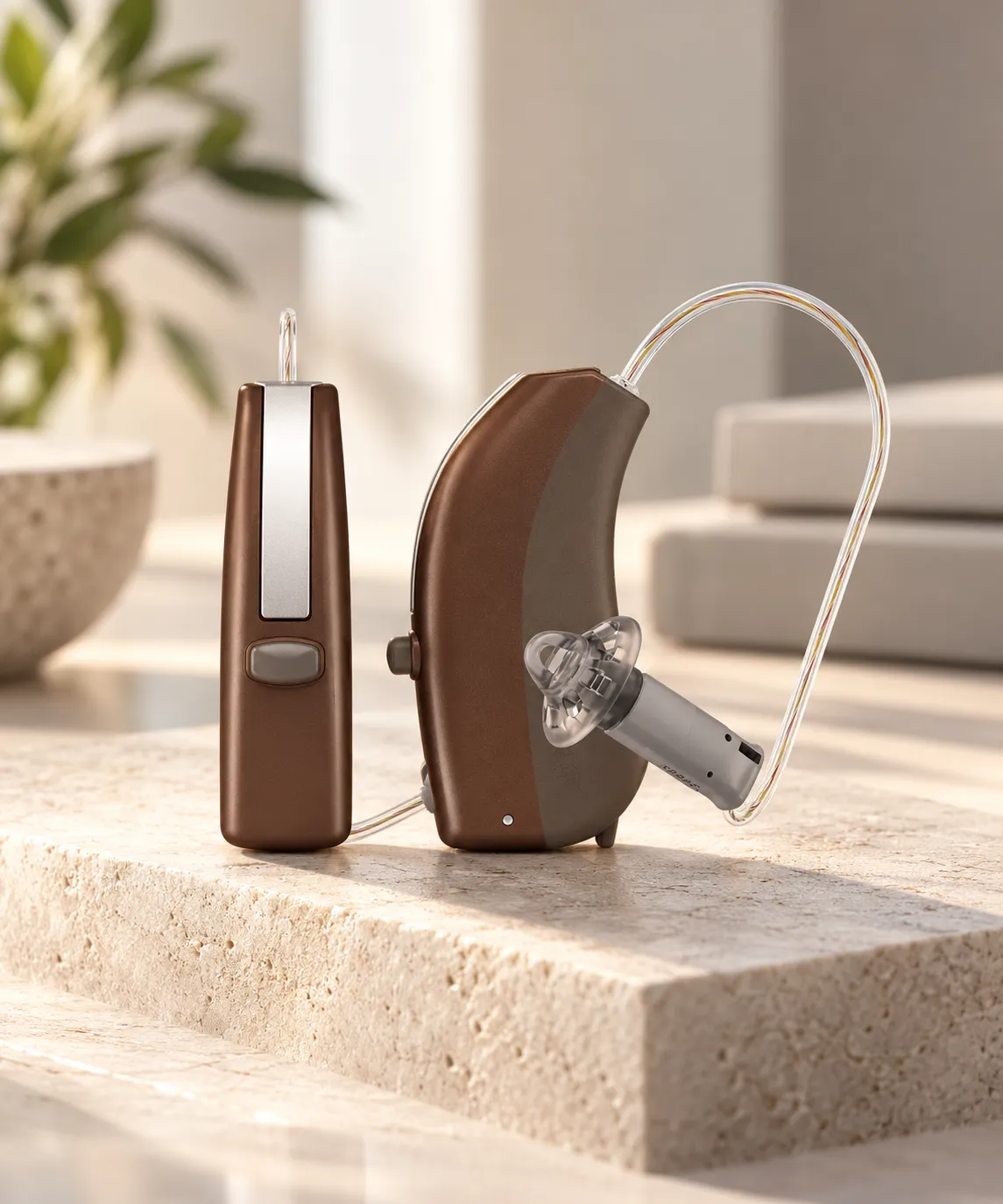
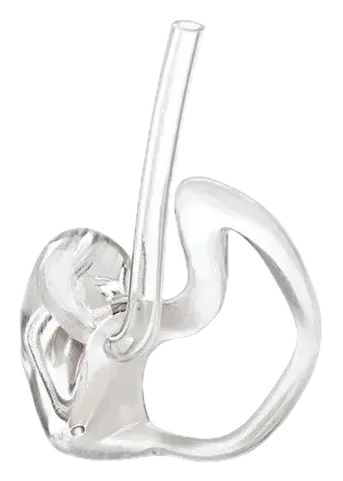
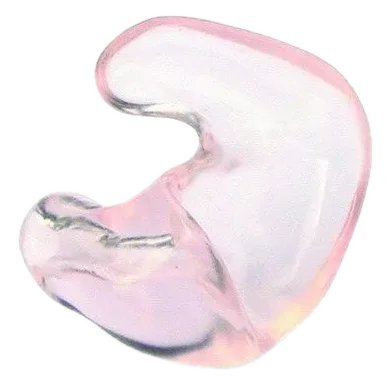
A behind-the-ear (BTE) device has two parts: the main part sits behind your ear and connects through a thin, clear tube to an earpiece that sits in your ear canal. Some earpieces are custom-made from an impression of your ear, while many people now use small, comfortable ready-made ear tips (domes).
Receiver-in-canal (RIC) devices are similar to BTE devices but smaller. An almost invisible wire connects the device to the receiver (small speaker) inside the earpiece in the ear canal.
In-the-ear (ITE) devices sit in your outer ear, and in-the-canal (ITC) devices sit at the entrance of your ear canal.
Completely-in-canal (CIC) and invisible-in-canal (IIC) devices sit deeper in the ear canal and are almost or completely invisible. However, devices this small may not be suitable for every hearing loss and ear shape.
How do you control hearing aid settings?
Some devices have buttons or switches. Some change their settings automatically according to the environment. Others are controlled with a handheld remote control or a phone app. Discuss the options with your audiologist and decide together.
How do you choose the right hearing aid?
Because there are many different device systems, it takes time to find the one that suits you. There is a lot to consider, so it is important to build a relationship of trust with your audiologist. They will recommend devices that suit your hearing loss and lifestyle.
Getting used to a new hearing aid
Getting used to a new device can take up to three months. This period depends on your hearing loss, your lifestyle and how much you use the device.
Your brain starts to perceive sounds again that it has not heard well for some time. So in the first days you may feel tired or overwhelmed. As you use the device, your brain learns to recognise these sounds and they become easier to tolerate. If you find it hard, ask your audiologist for support. Helping you through the adjustment period is part of their job.
When you first discuss the device, also talk with your hearing specialist about what to expect. They can suggest methods that will help you while you get used to it.
Hearing aid maintenance
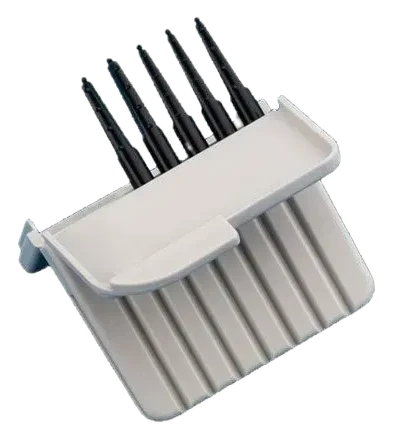
For your device to work well, it needs to be clean, dry and free of earwax. Our centre has a range of hearing aid care products. For details, see our Hearing aid maintenance page.
Related pages: Hearing aids, Free hearing test.
- Publisher
- Pendik Ses İşitme Cihazları
- Published
- 4 October 2022
- Updated
- 12 November 2026
This information is for general guidance only; please consult a specialist for diagnosis and treatment.