








Behind-the-Ear and In-the-Ear Hearing Aids
Contents
In-the-canal hearing aids (IIC, CIC, etc.)
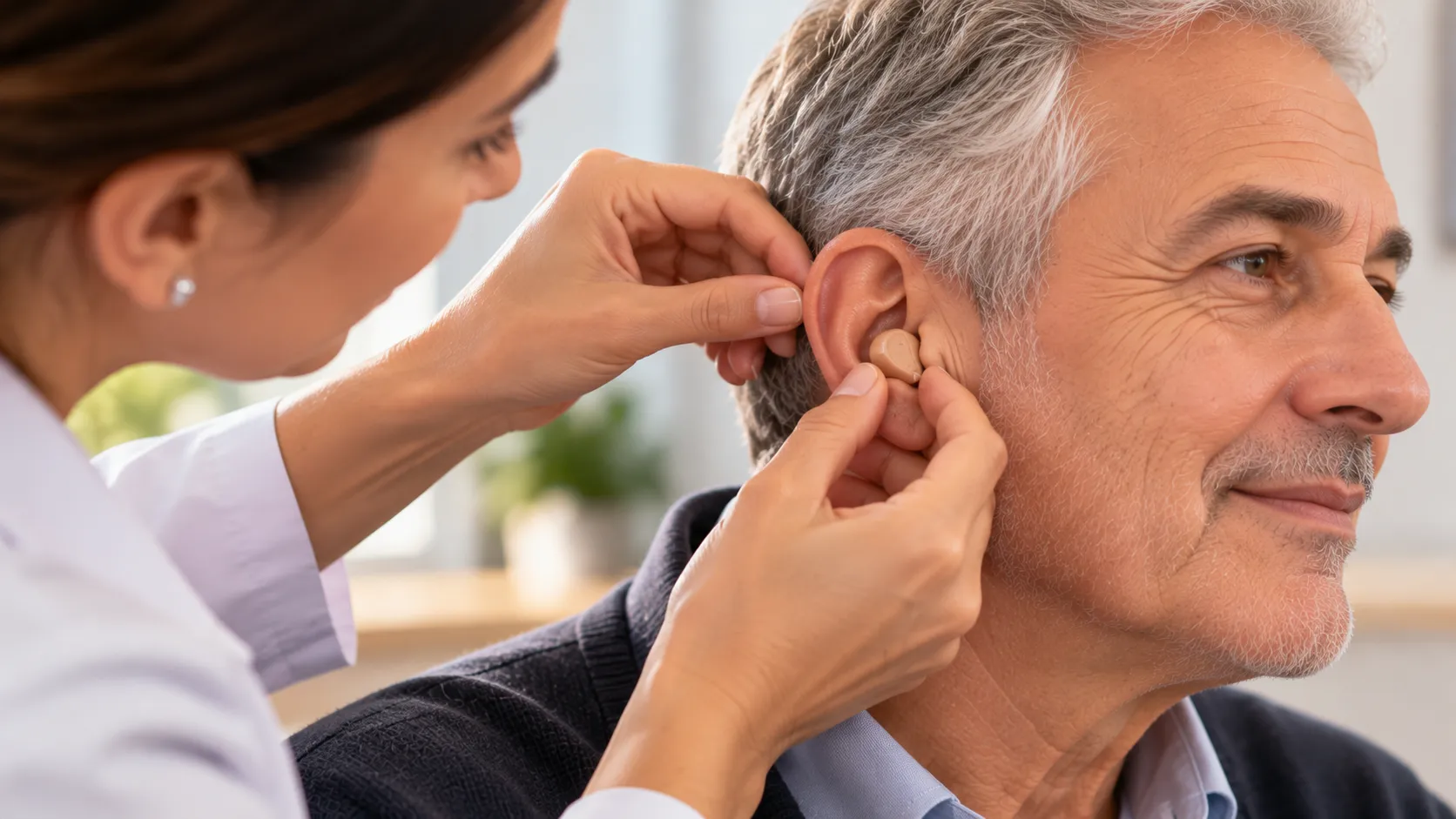
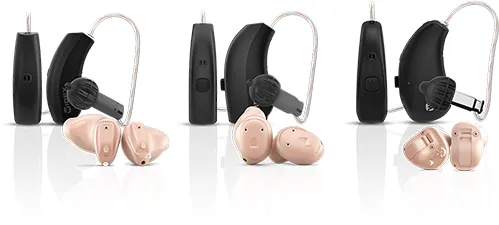
They are made to the shape of your ear, so they are comfortable to wear. They are hard to notice from the outside and look discreet. Depending on the model and power options, we have devices suitable for mild to severe hearing loss. Our hearing care specialists look at the structure of the ear canal and eardrum, the type and degree of hearing loss, and the user's hand-eye coordination. If they find them suitable, they recommend these devices.
In-the-ear hearing aids (ITC, ITE, etc.)
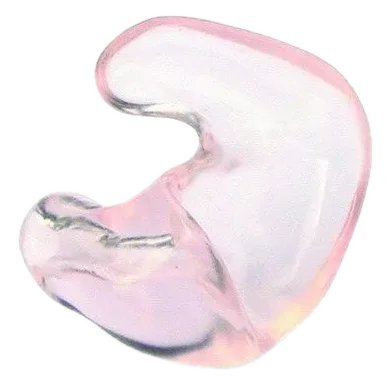
These devices are also made to the shape of the ear, so they are comfortable. They are a little more visible than in-the-canal devices, but their buttons and programs make them easy to control. Depending on the model and power options, they can be fitted for mild to severe hearing loss. Our hearing care specialists decide on suitability using the same criteria. If appearance matters to you and you do not want the device to be seen, you can choose in-the-ear models.
Behind-the-ear hearing aids (BTE)
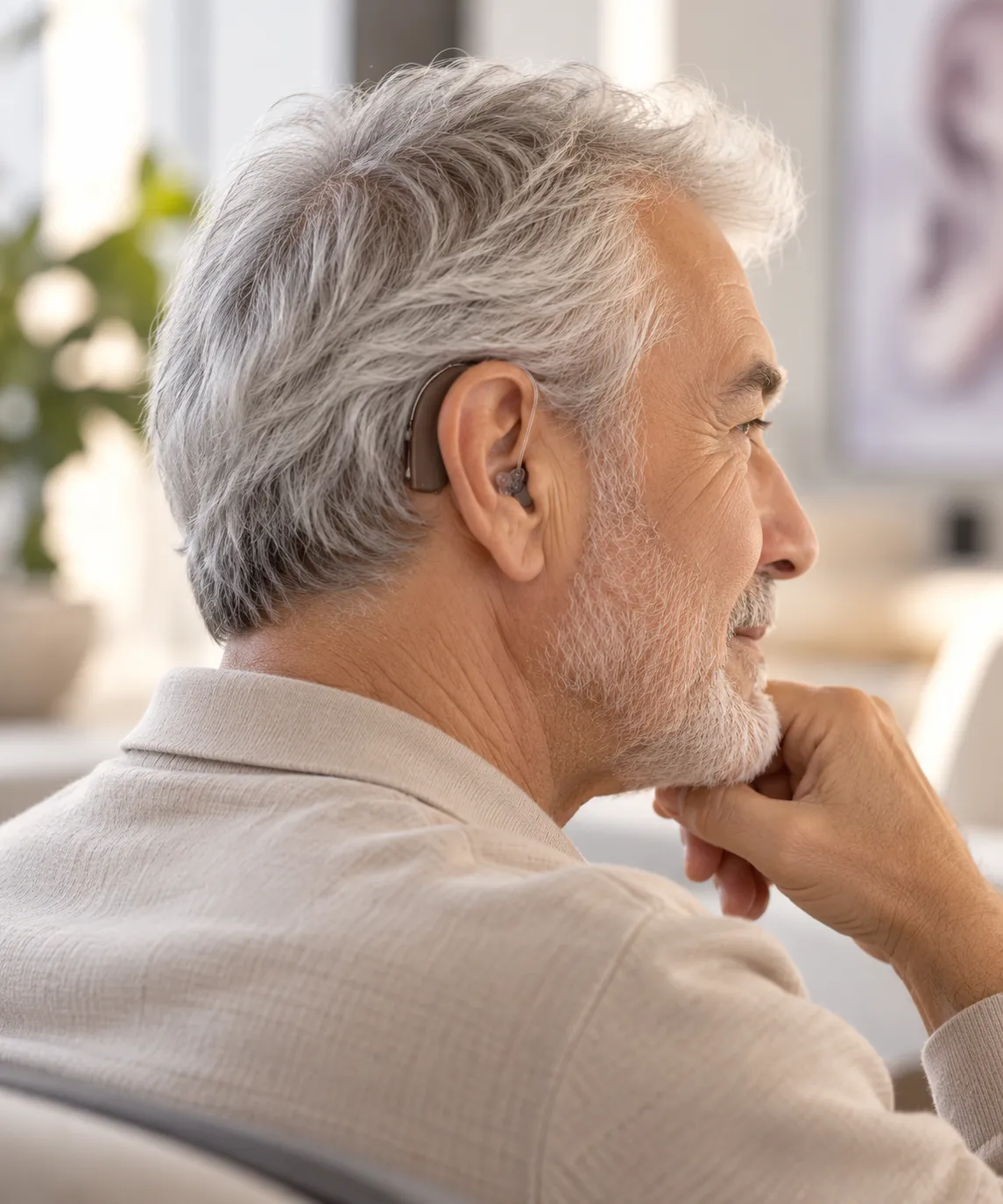
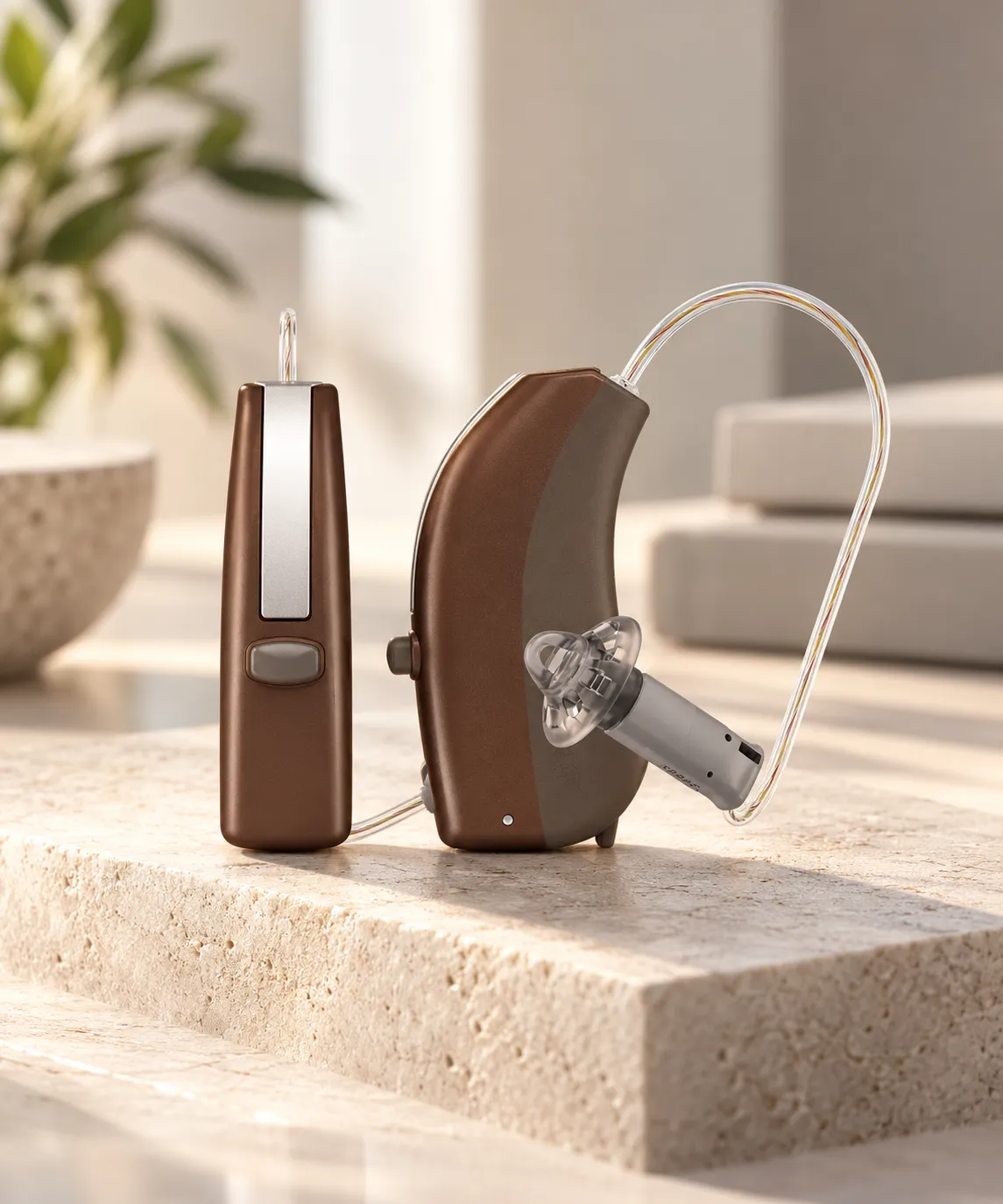
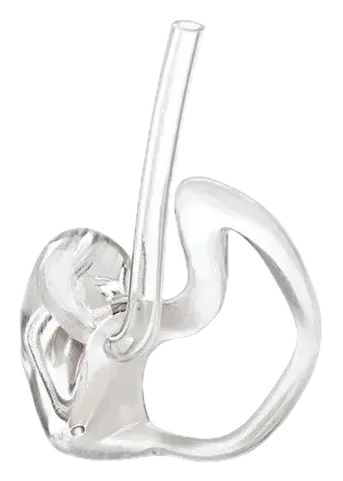
They are used with a custom ear mould. The mould sits in the outer ear and outer ear canal, and the device sits behind the outer ear. They offer more control, power and gain. Babies and children must use behind-the-ear (BTE) devices. They can be fitted for mild to profound hearing loss.
Open-fit hearing aids (open-fit: RIE, RIC, mini-BTE, etc.)
They suit people who hear low-pitched sounds normally or almost normally but have difficulty hearing high-pitched sounds. They are light, ergonomic and easy to use. Because they do not block the ear, sound feels more natural. Smart design has made them smaller and almost invisible. There are various power options, and they are suitable for mild to severe hearing loss.
Bone conduction hearing aids
They are recommended for patients who cannot use air conduction devices (the models above). Sound is passed directly to the inner ear through the bones of the skull.
Body-worn hearing aids
A larger device carried in the hand, in a bag or in a pocket. It looks like a cassette player. It is easy for children and older people to use. Because of appearance concerns and advances in technology, it is rarely used today.
Related pages: Behind-the-ear hearing aids, In-the-ear hearing aids.
- Publisher
- Pendik Ses İşitme Cihazları
- Published
- 4 October 2022
- Updated
- 13 November 2026
This information is for general guidance only; please consult a specialist for diagnosis and treatment.